2010 Camaro SS Showcase
Built to be heard.
620 hp. 0 to 60 in 3.9s. One colour worth having.
Figures illustrative.
Before the numbers
The figures set a mood, not a verdict.
Every performance figure on this page is illustrative. They exist to frame the character of the car — the pull of the engine, the weight of the stance — not to stand in as certified specification. We'd rather be honest about that than let a placeholder number pretend to be a promise.
What is real: the 2010 model year, the Rally Yellow default, and the way this page is built to make you feel the car before you read about it. The specs page goes deeper into how those figures are framed and why they're presented this way.
See how the figures are framed →Presence in motion
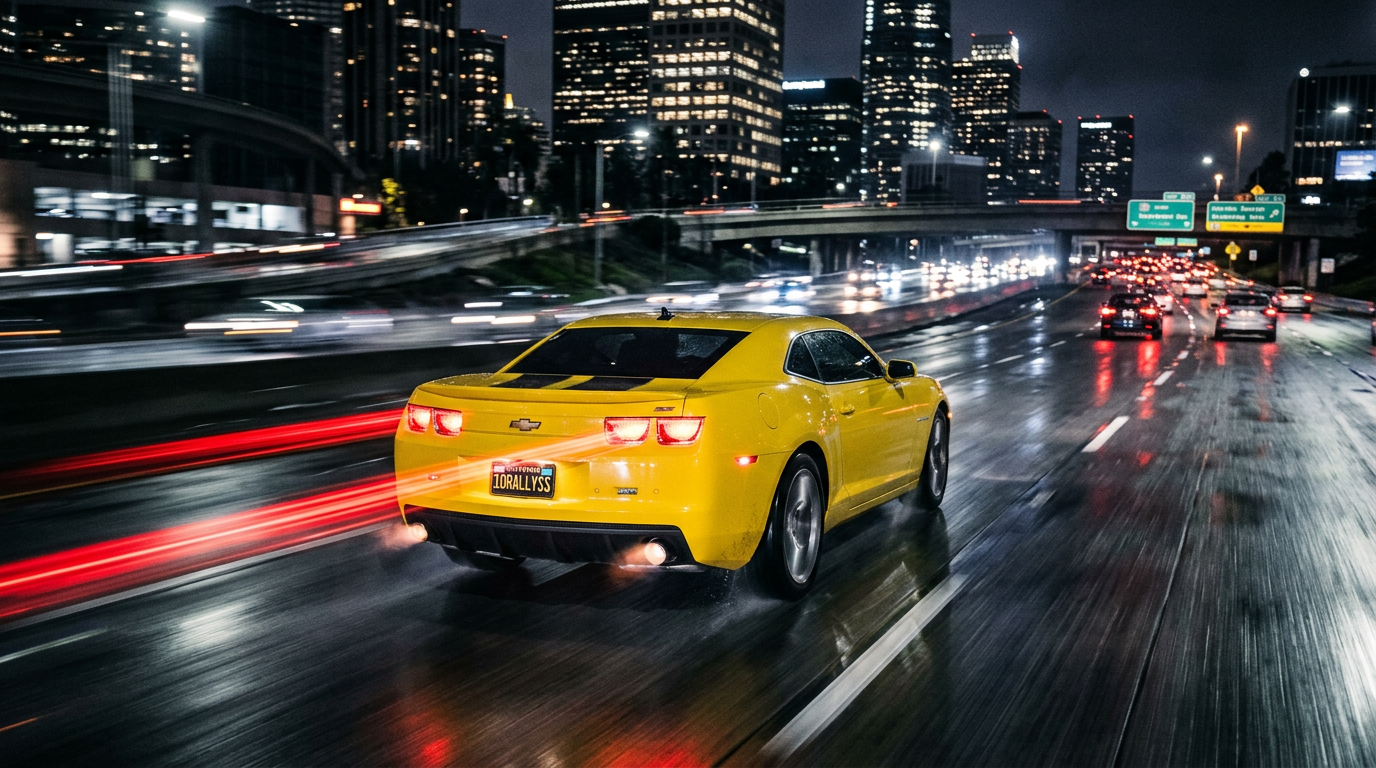
A still photo can't hold this car.
Stance changes as the light moves across a panel. Sound changes how fast something looks. Neither survives a spec sheet, so this page leans on movement — turning shots, scroll-timed captions, particle fields that answer the cursor — to carry what numbers can't.
The goal isn't spectacle for its own sake. Every motion cue on this page points back at the same question: does this car feel as strong as it looks parked.
Turntable reveal
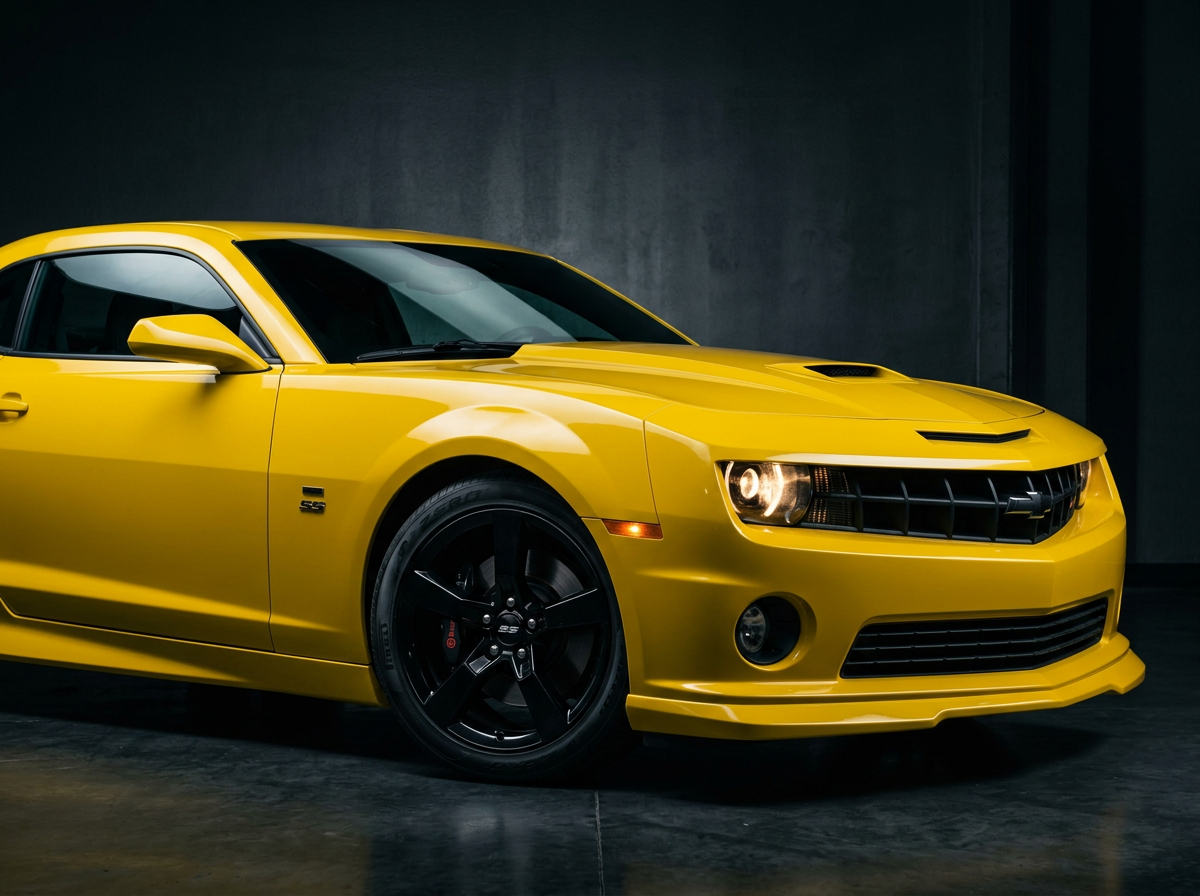
Every angle earns its yellow.
The nose sets the tone — low, wide, unmistakable.
The shoulder line runs the length of the car like a held note.
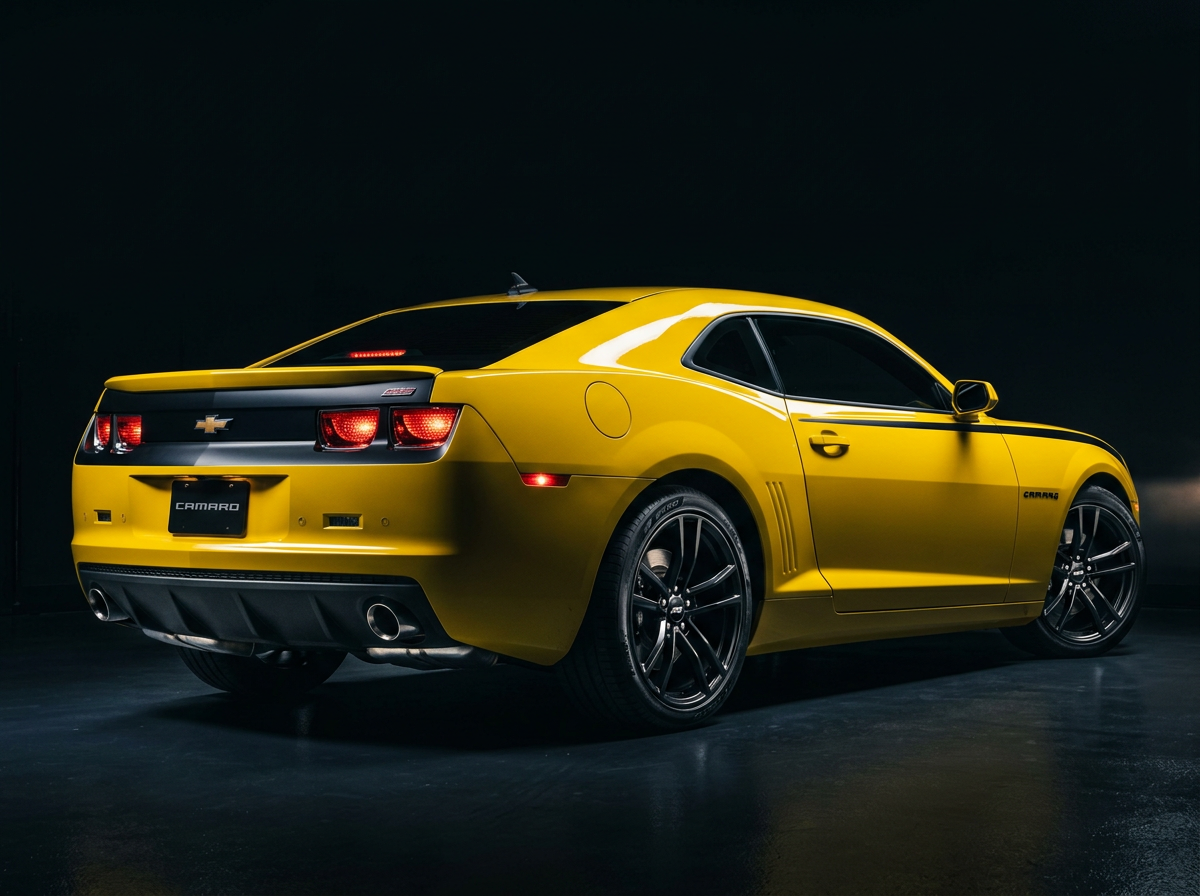
From the rear, the stance says it isn't finished yet.
How the reveal works
The car turns. The story catches up.
As you scroll through the turntable above, the rotation is tied directly to how far you've moved — not a timer. Three captions surface at set points in that rotation, each one naming a detail worth pausing on. Stop scrolling and the car stops too, mid-turn, waiting.
It's a small mechanism with an outsized effect: control shifts to you, and the car rewards the attention with a detail you'd otherwise scroll past.
Performance at a glance
Six figures. One character.
Figures illustrative — full context on the Specs page.
Horsepower
Torque lb-ft
0–60 mph (s)
Top speed mph
Weight kg
Gears
The point of the page
Numbers fade. Motion sticks.
A stat page and a car aren't the same experience. Show someone 650 lb-ft of torque as text and they'll forget it by the next scroll. Show them a stance shift under acceleration, a ring drawing itself around a number as it climbs — and the figure lands differently. It's remembered as a feeling first, a number second.
That's the working theory behind every animated element here: motion isn't decoration on top of the information. It's how the information actually reaches you.
Make it yours
Five colours. One car that stays itself.
Rally Yellow is the default for a reason — it's the loudest expression of what this car is trying to say. But the identity holds across Onyx, Silver Ice, Red Jewel, and Inferno Orange too. Stripes on or off. Three wheel choices. Every combination updates instantly.
Build your versionThe default, and why
Rally Yellow isn't a colour choice. It's the argument.
Every other colour on this car is a variation. Rally Yellow is the baseline every comparison gets measured against — the one that shows up in daylight, holds contrast at night, and reads as confident rather than loud. It's why the showcase opens here and defaults here.
You're free to prefer something else. The configurator makes that easy to test. But start with the default before you decide you don't want it.
Small controls, big shifts
Three toggles change how it reads.
Colour
Five finishes, each tinting the whole scene — not just the paint.
Stripes
On for track presence, off for a cleaner, quieter read.
Wheels
Three choices that shift the stance more than you'd expect.
Six ideas, six panels
Engine. Chassis. Interior. Sound. Aero. Heritage.
Six threads run through this car, and each one deserves its own moment rather than a bullet point. This showcase gives them a horizontal-scrolling sequence — one idea fully in frame at a time — instead of stacking them into a wall of text.
Where they live in most detail is the Specs page for the mechanical side and the Configurator for how they show up visually.
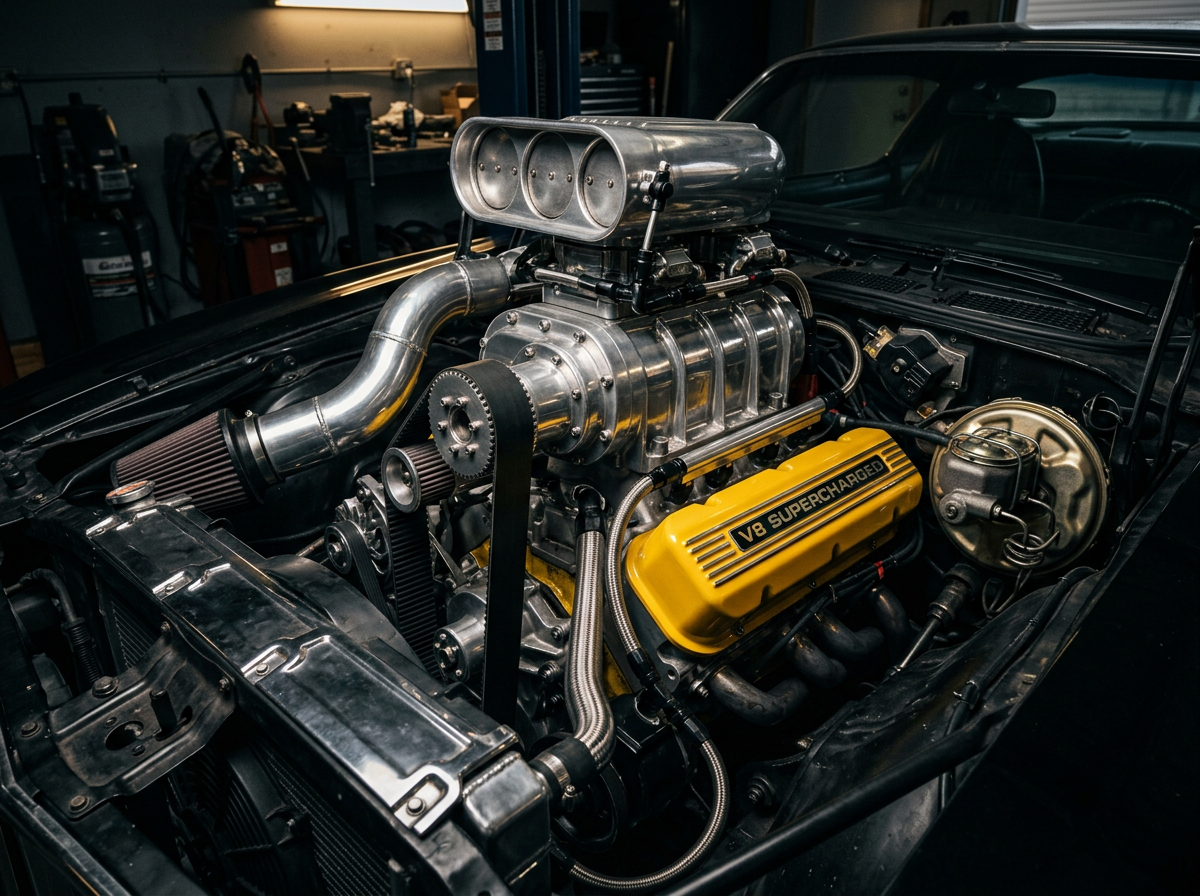
Engine
A V8 built for pull, not just peak numbers — power that arrives early and stays.
Chassis
Stiffened underpinnings that turn horsepower into control instead of drama.
Interior
A cockpit built around the driver's view forward, not around showing off.
Sound
The exhaust note is tuned to be heard before the car is seen.
Aero
Every intake and vent has a job — cooling, downforce, or both.
Heritage
A silhouette that traces back decades and still reads as new.
A closer look
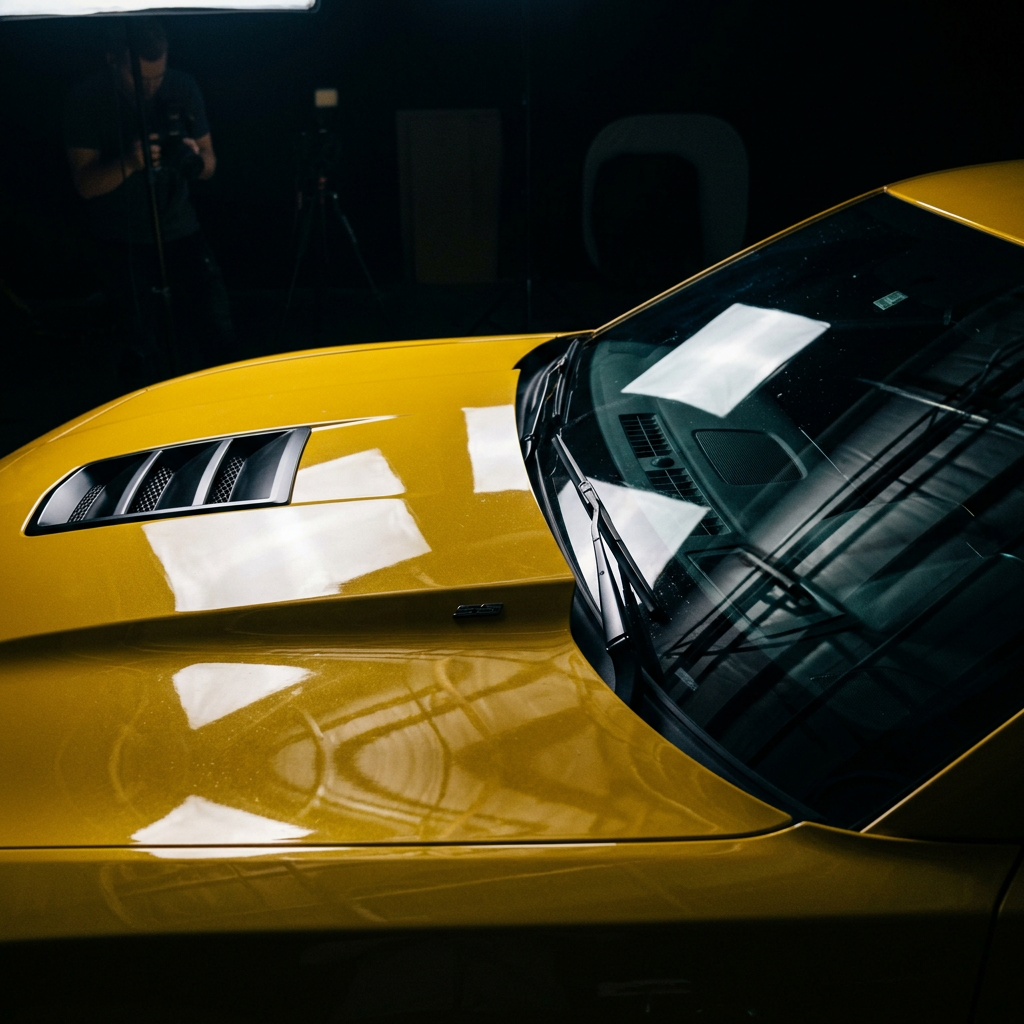
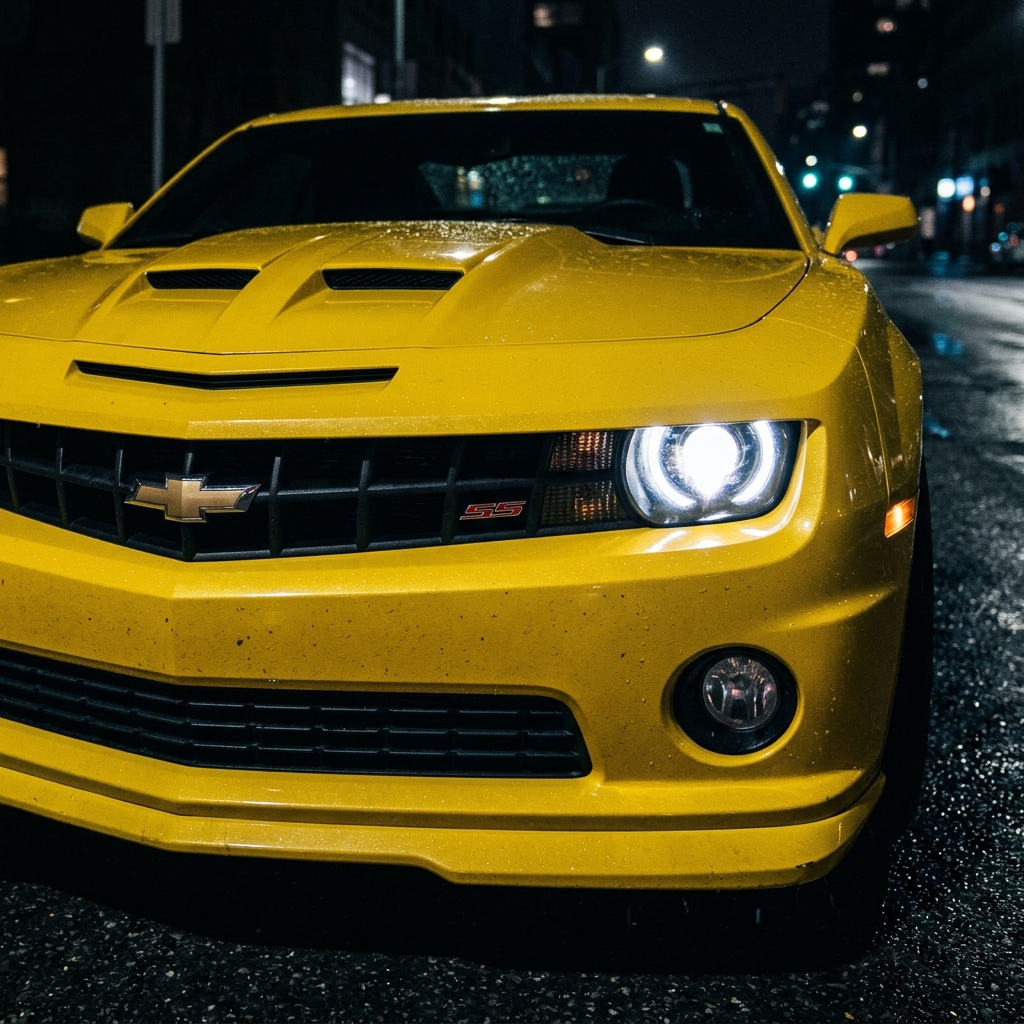
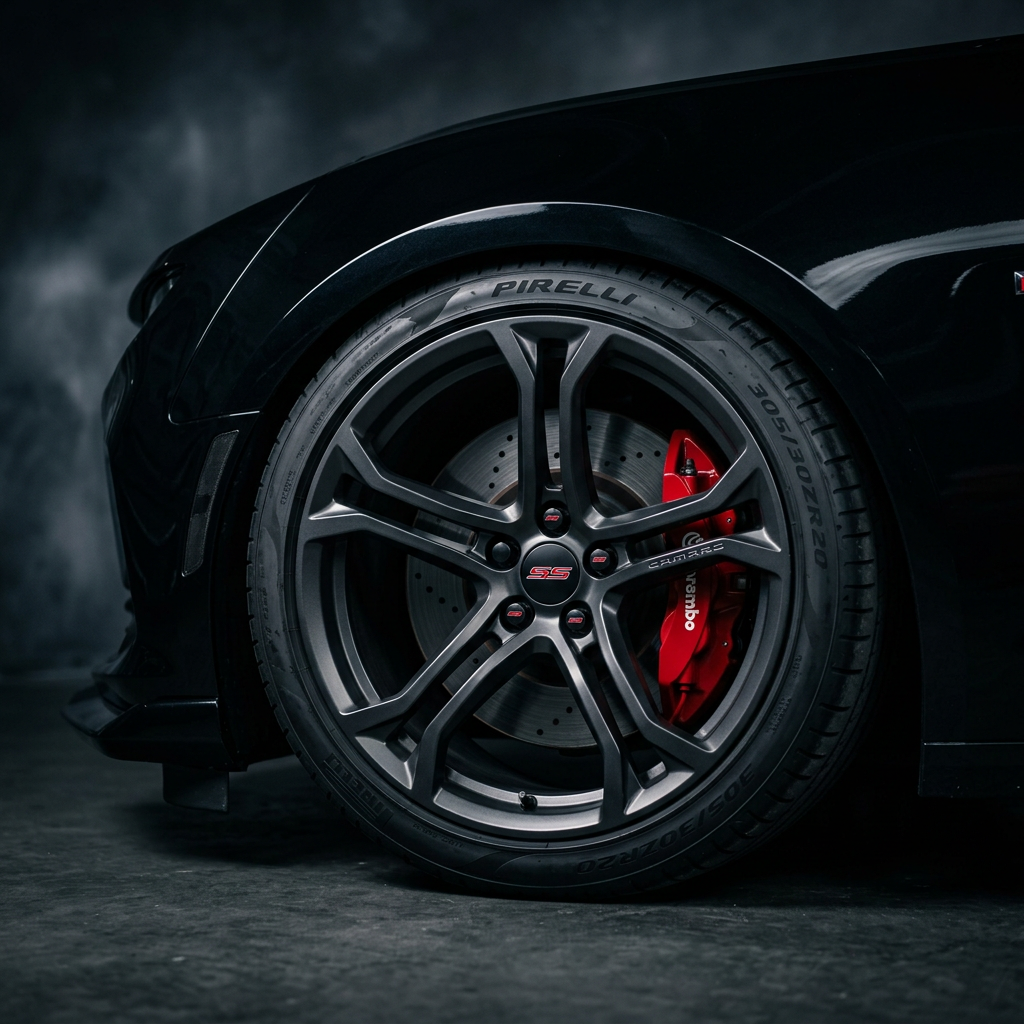
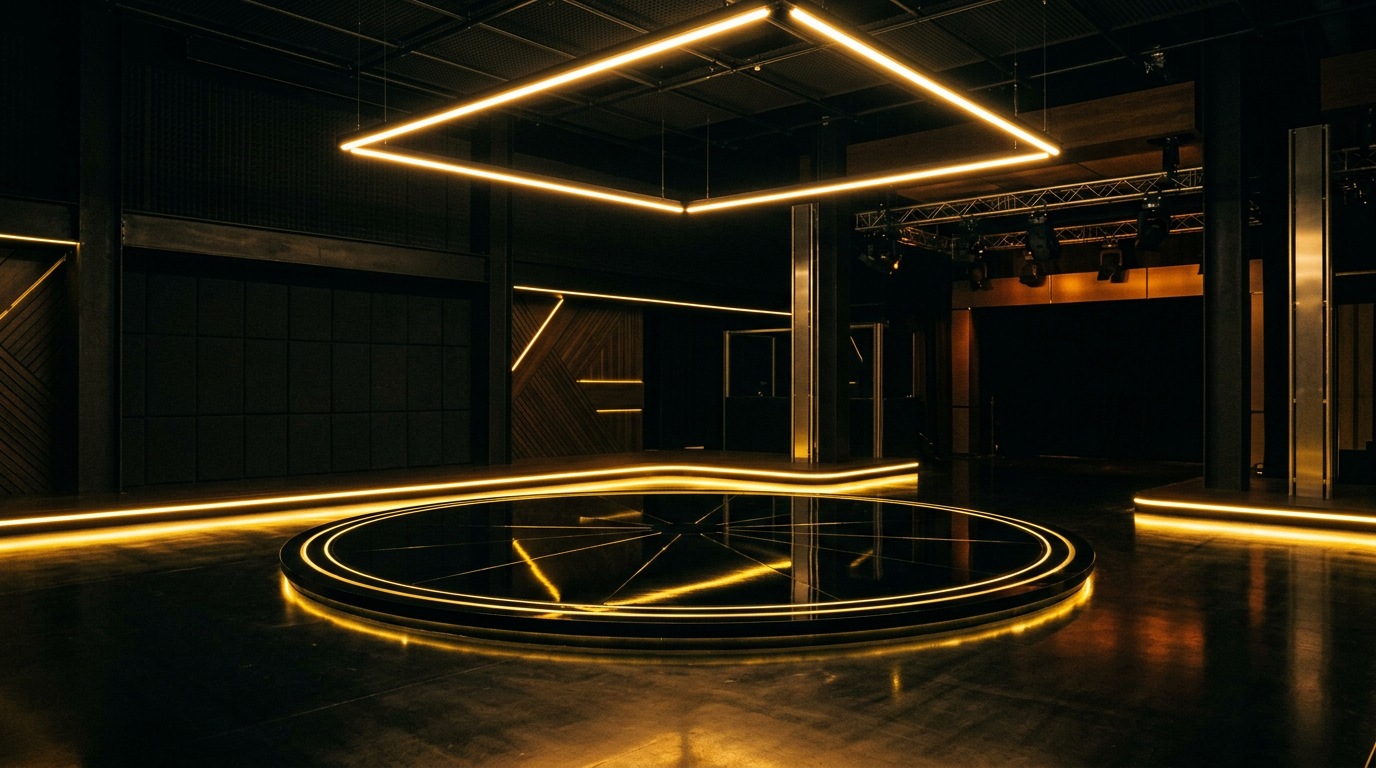
Details a scroll can't slow down for.
Beyond the scroll
Everything above is a still frame of a moving thing.
The film exists because some of this doesn't translate to a page — the way the exhaust note lands, the way the body catches light while it's actually moving. It's the same story this page tells, just told at speed.
Optional, on purpose
Sound is off by default. Turn it on when you're ready.
The Sound toggle in the header stays silent until you switch it on — no autoplay, no surprise. Once it's active, changing colours in the configurator triggers a short synthesised engine note, a small acknowledgment that a choice just registered.
It's a detail easy to miss and easy to enjoy once found.
Reactions from the reveal
What people said, mid-scroll.
Why it looks like this
Dark isn't a theme. It's a decision about attention.
A near-black background does one thing well: it makes yellow the only thing your eye has to consider. Every accent, every active state, every highlight on this page uses the same restraint — Rally Yellow points, the darkness holds still.
That discipline is deliberate. A page that lights up everywhere loses the ability to direct you anywhere.
If you came for the numbers
You want horsepower with credibility behind it.
This page doesn't bury figures under adjectives, and it doesn't inflate them either. Every illustrative number is labeled as such, and the Specs page breaks each one down individually — horsepower and torque, acceleration and speed, weight and gearing — with the same restraint.
- Illustrative figures, clearly labeled as such
- Six stat tiles with a dedicated Specs breakdown
- Motion sequences that reinforce, not distract from, performance
- Five colour finishes with live particle and preview tinting
- A 12-image gallery built around stance, reflection, and detail
- A film built for cinematic pacing, not a spec-sheet voiceover
If you came for the look
You want to see the identity shift, not just read about it.
The Configurator page is built for exactly this — colour, stripes, and wheels changing in real time, without losing the car's shape. The Gallery page slows things down further, letting body lines and reflections hold your attention on their own.
Where to next
The car's been introduced. Now make it yours.
Configure a colour and trim combination that feels right, then let the film confirm it in motion. Or start with the numbers on Specs if that's what convinces you first.
Keep up with the showcase
Get notified when new configurator options or gallery sets go live. No spam.